Interested in low profile parts for sleek integration carbon fiber square tubes ideal for modular exhibit systems?
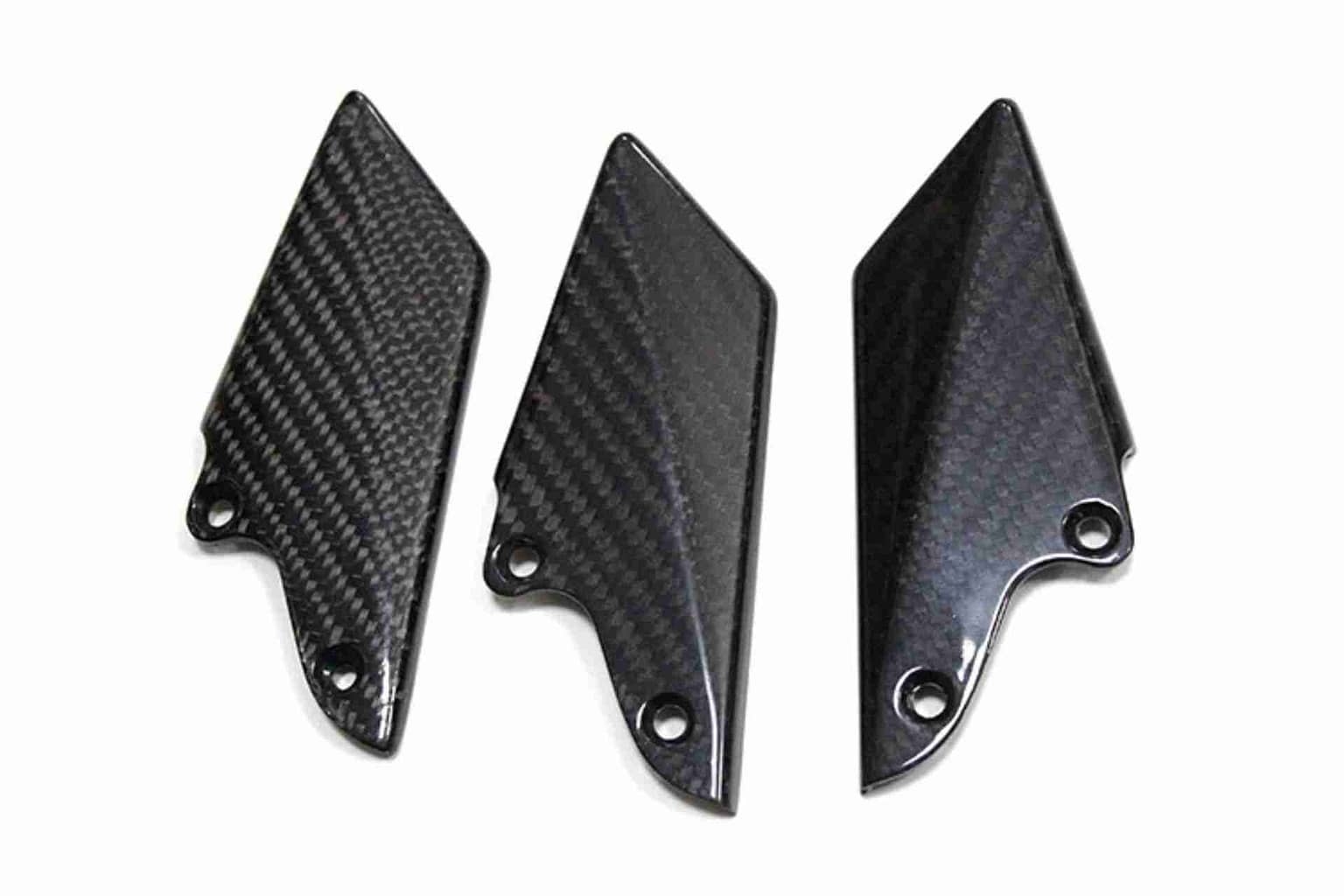
Carbon fiber tubes boast an outstanding strength-to-weight profile ideal for high-demand uses where durability and mass reduction are vital
Made from woven or aligned carbon filaments set within a resin matrix, these tubes create a stiff composite structure
Optimally placed carbon fibers result in superior tensile and stiffness characteristics, while the light polymer matrix reduces total mass
This fusion of mechanical advantages supports designing components that are solid in performance and low in weight
The deployment of carbon fiber tubes ranges from aircraft and automobiles to sporting goods and medical apparatus
For aircraft construction, carbon fiber tubing reduces structural mass in fuselages and wings, boosting fuel economy and capabilities
Likewise in the automotive field carbon fiber tubes are used for suspension parts and chassis reinforcement to improve handling while cutting vehicle weight
Carbon Fiber Square Tubes: Precision-engineered sections for structural integrity
In modern engineering contexts where lightweight design and high structural performance are essential, carbon fiber square tubes have become a top choice
Careful precision manufacturing creates square carbon fiber tubes with strong mechanics and flexible design adaptability
Through meticulous fiber arrangement and resin infusion, square carbon fiber tubes achieve strong resistance to compressive and tensile loading
Their rigid nature enables square carbon fiber tubes to perform reliably in integrity-critical structural uses
Whether applied in aerospace components, vehicle chassis, or high-end sports equipment, these tubes deliver dependable performance under severe conditions
Moreover, the low mass of these tubes aids in improving fuel consumption and optimizing system efficiency
- Also, high dimensional precision supports seamless assembly integration and lowers rework and modification requirements
- Therefore, these square tubes are now core materials in sectors aiming for innovation, efficiency and superior performance
Custom rectangular carbon fiber tubes delivering tailored strength and performance
Thanks to its superior strength-to-weight characteristics and stiffness, carbon fiber is ideal for tough application requirements
Rectangular and prismatic carbon fiber tube forms are especially effective because their shapes are optimized for strength and stiffness
Custom production enables rectangular carbon fiber tubes to meet exact structural and load-bearing specifications
Fabricators are able to manufacture high-precision rectangular carbon fiber tubes for aerospace, sporting and industrial applications
Such flexibility enables innovative design solutions that boost performance and improve functionality
Structural carbon fiber plates combining stiffness with high impact resistance
Carbon fiber plates are known for exceptional stiffness and are well suited to high-load applications
Formed by embedding carbon fibers into a cured resin matrix, plates demonstrate excellent anti-bending and deformation properties
Because carbon fibers can absorb and redistribute impact energy, plates gain high toughness and impact resistance
Comprehensive composite systems that unite carbon fiber tubes and plates to deliver advanced capabilities
Carbon fiber plates and tubes are selected in advanced materials engineering for their remarkable mechanical traits and lightness
The blend of lightness and robustness makes them applicable across aerospace, automotive, sporting goods and specialized consumer markets
Fabrication into complex shapes is possible without sacrificing stiffness and durability, enabling diverse engineering designs
Production technology advances have made these composites more economical and scalable for diverse industries
Carbon fiber’s benefits over traditional materials include higher strength and reduced weight for optimized structural solutions
Corrosion- and fatigue-resistant properties extend operational life and reliability for carbon fiber components in harsh environments
The unique performance of carbon fiber composites advances material science and shapes emerging engineering solutions
Mapping common uses and industry implementations for carbon fiber tubes and plates
Robust carbon fiber tubes and plates have earned widespread traction and recognition in a variety of sectors
Excellent ratios of strength to weight and mechanical performance qualify them for a broad array of applications
Commonly applied within aerospace, automotive and construction, they serve as structural components demanding reliable strength and durability
Athletic equipment makers use carbon fiber tubes and plates in bikes, clubs and racquets to boost performance through reduced weight and higher stiffness
Medical device makers use carbon fiber tubes and plates for prosthetic and surgical solutions due to their favorable properties
Carbon fiber solutions for lightweighting: tubes, plates and beyond
Carbon fiber materials allow dramatic weight reduction across applications while maintaining required structural strength
Carbon fiber tubes fit applications like bicycles and wind blades that demand strong stiffness combined with low mass
Plates are chosen for their stiffness and impact resistance in aerospace structural parts where stability and load capacity are critical
Material innovation driving expanded applications for carbon fiber composites
As a materials innovation, carbon fiber is celebrated for its outstanding strength and resilient behavior
Exceptional characteristics originate from fine carbon fibers set in a polymer matrix that yields both light weight and high strength
Carbon fiber deployment rises in aerospace and automotive thanks to clear benefits in fuel efficiency and performance from lighter structures
Vehicle manufacturers use carbon fiber in structural parts to lower weight while increasing strength, improving handling and occupant safety
Carbon fiber-based structures provide versatile performance from aviation to automotive and beyond
Through excellent strength-to-weight properties, carbon fiber composites have transformed aerospace and automotive design
Their lightness enables the production of high-performance vehicles and aircraft that are both fuel-efficient and durable
Vehicle designers use carbon fiber for panels, chassis reinforcements and framed components to lower overall weight and improve performance
Tubes and plates made from carbon fiber are expanding engineering possibilities
Carbon fiber tubes and plates offer remarkable strength-to-weight benefits that transform product and structural design
Carbon fiber’s lightweight robustness makes it applicable in critical performance areas including aerospace, automotive and medical uses
In aviation, deploying carbon fiber components yields fuel efficiency benefits and aerodynamic performance gains
Automotive use of carbon fiber helps decrease mass, resulting in better acceleration, handling and overall vehicle efficiency
- Effective use depends on understanding the material’s behavior, manufacturing limits and design trade-offs Successful implementation requires knowledge of carbon fiber behavior, fabrication methods and necessary design compromises Successful implementation requires knowledge of carbon fiber behavior, custom carbon fiber parts fabrication methods and necessary design compromises To harness carbon fiber well you must grasp its mechanical behavior, production constraints and relevant design trade-offs
- Prospects look promising for wider use and advancement of carbon fiber tube and plate technologies
- Ongoing innovation will raise performance levels and extend the application potential for carbon fiber composites
- Thus, the role of carbon fiber materials in future engineering and manufacturing is expected to grow significantly
Step-by-step guide to achieving peak results with carbon fiber components
Its notable strength-per-weight and stiffness traits position carbon fiber as a leading material to drive performance improvements
A focused look at carbon fiber properties, applications and integration techniques to support optimal implementation
Use cases span automotive, aerospace, sports and electronics where carbon fiber adds meaningful performance advantages
To harness carbon fiber well you must grasp its mechanical behavior, production constraints and relevant design trade-offs
Case studies illustrating successful carbon fiber implementations across sectors.